First Signs Of Lung Cancer In Dogs / 10 Warning Signs Of Cancer In Your Dog - PositiveMed / Is she spending more time away from you?. Primary lung tumors (or tumors that originate in the lungs) are some of the rarest forms of cancer found in dogs. In contrast, cancer grades mark the aggressiveness of those cells, the speed at which they grow. Persistent cough, which may be productive of sputum. The most common abnormal clinical sign reported in dogs with lung cancer is chronic cough. Cancer is defined as uncontrolled growth of abnormal cells, but the signs and symptoms vary greatly depending on the location and type.
Be alert for coughing as one of the symptoms of lung cancer in dogs, but look for other clues. Alice villalobos and is a short test for owners to take to help determine if a pet has a good quality of life. The most common abnormal clinical sign reported in dogs with lung cancer is chronic cough. Symptoms of lung cancer are coughing (which may also produce phlegm or blood), exercise intolerance (lethargy), weight loss or loss of appetite, and other respiratory signs such as trouble breathing or shortness of breath. Metastatic lung cancer originates in other parts of the body such as a leg bone, the mouth, or the thyroid gland, but has spread to the lung through the bloodstream.
Lung Cancer - enpevet from www.enpevet.de This is due to ulcerating tumors, or tumors that break open and bleed. Usually there are no symptoms in the early stages of canine lung cancer. The dog will present symptoms such as chronic coughing and lack of appetite. It hurts, and feels hopeless, but it's important to remember that it's not necessarily the end of the journey. Symptoms of stomach cancer in dogs usually develop gradually over weeks or months, with vomiting being the most common. Cancer is a topic that no pet parent wants to think about. In canines, there are typically two main types of lung cancer. Lung cancer is one of the most dangerous lung diseases affecting dogs, so early diagnosis and effective treatment is critical to the survival of the dog.
Primary lung tumors (or tumors that originate in the lungs) are some of the rarest forms of cancer found in dogs.
Metastatic lung cancer originates in other parts of the body such as a leg bone, the mouth, or the thyroid gland, but has spread to the lung through the bloodstream. The dog will present symptoms such as chronic coughing and lack of appetite. Symptoms of lung cancer (adenocarcinoma) in dogs there are many symptoms that are general in nature, such as weakness and loss of appetite, so it is sometimes difficult to know when your dog is really ill enough for a trip to the veterinarian's office. Primary lung tumors have variable signs, which depend on the location of the tumor, rate of tumor growth, and the presence of previous or current lung disease. The most common abnormal clinical sign reported in dogs with lung cancer is chronic cough. Cancer is defined as uncontrolled growth of abnormal cells, but the signs and symptoms vary greatly depending on the location and type. Lung cancer is one of the most dangerous lung diseases affecting dogs, so early diagnosis and effective treatment is critical to the survival of the dog. Cancer is a topic that no pet parent wants to think about. Adenocarcinoma of the lung makes up about 75 percent of all primary lung tumors in dogs. The dog may cough up blood, but not mucus. It's more likely that a lung tumor is a product of another form of cancer spreading to the lungs. Some of the signs of lung cancer in dogs include: The primary tumor might also create signs such as increased thirst, weight loss or diarrhea.
Signs and symptoms of lung cancer. Adenocarcinoma of the lung in dogs. Metastatic cancer to the lungs is much more common than primary lung cancer. Other dogs have no symptoms at all. It's more likely that a lung tumor is a product of another form of cancer spreading to the lungs.
Possible Lung Cancer Symptoms You Shouldn't Ignore ... from baptisthealth.net In canines, there are typically two main types of lung cancer. Alice villalobos and is a short test for owners to take to help determine if a pet has a good quality of life. During the first stage, the dog will have a tumor (most typically an adenocarcinoma), which will be small and won't affect any other organs, nearby tissues or blood vessels. Adenocarcinoma of the lung in dogs. Stages are marked by the growth and expansion of abnormal cells throughout the dog's body. However, some cancers add a fifth. The first is primary lung cancer, which is where a tumor originates in your dog's lung or lungs. Canine lung cancer symptoms tend to be generalized and difficult to associate with lung cancer in dogs specifically.
Are there signs that a dog is dying from cancer?
Symptoms of lung cancer (adenocarcinoma) in dogs there are many symptoms that are general in nature, such as weakness and loss of appetite, so it is sometimes difficult to know when your dog is really ill enough for a trip to the veterinarian's office. Lung tumors have moderate to high potential for metastasis (spreading). So, monitoring your older dog's overall health is essential. Melanoma in dogs comprehensive cancer care service ryan veterinary hospital of the university of pennsylvania melanomas are tumors arising from pigment cells within the body. Stage iv and stage v cancer most canine cancers are marked by four stages; Adenocarcinoma of the lung in dogs. Symptoms of lung cancer in dogs. In dogs, melanomas most commonly occur on the skin, in the mouth, and on the digits (toes) or in association with the nail bed. Metastatic lung cancer originates in other parts of the body such as a leg bone, the mouth, or the thyroid gland, but has spread to the lung through the bloodstream. That's why it's so important to learn the most common signs of cancer in dogs. Some of the signs of lung cancer in dogs include: It's more likely that a lung tumor is a product of another form of cancer spreading to the lungs. A cough that produces blood indicates that the lung cancer is progressing.
The quality of life scale (also known as the hhhhhmm scale) was created by dr. Types of dog lung cancer. Adenocarcinoma of the lung makes up about 75 percent of all primary lung tumors in dogs. Most lung cancers do not cause any symptoms until they have spread, but some people with early lung cancer do have symptoms. Lung cancer is a serious disease that places both the health and well being of dogs at serious risk.
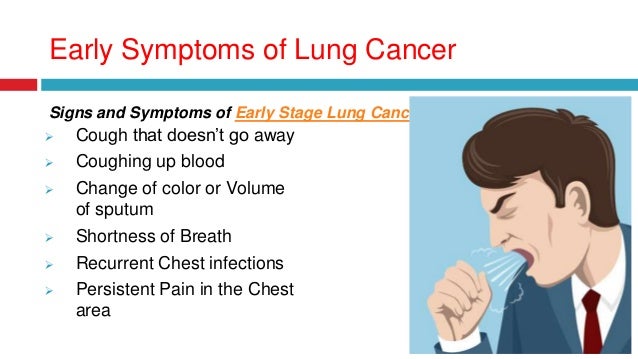
Early Symptoms, Diagnosis and Detection of Lung Cancer ... from image.slidesharecdn.com Alice villalobos and is a short test for owners to take to help determine if a pet has a good quality of life. If you go to your doctor when you first notice symptoms, your cancer might be diagnosed at an earlier stage, when treatment is more likely to be effective. Primary lung tumors (or tumors that originate in the lungs) are some of the rarest forms of cancer found in dogs. It hurts, and feels hopeless, but it's important to remember that it's not necessarily the end of the journey. Symptoms of lung cancer in dogs. The first symptom that dogs with multicentric lymphoma usually show is swollen lymph nodes. The most common abnormal clinical sign reported in dogs with lung cancer is chronic cough. Metastatic lung cancer originates in other parts of the body such as a leg bone, the mouth, or the thyroid gland, but has spread to the lung through the bloodstream.
Other dogs have no symptoms at all.
The quality of life scale (also known as the hhhhhmm scale) was created by dr. Dogs can get lung cancer, and some indicators could be coughing, wheezing, or shortness of breath after very little exercise. Lung cancer is one of the most dangerous lung diseases affecting dogs, so early diagnosis and effective treatment is critical to the survival of the dog. Cancer is a topic that no pet parent wants to think about. Usually, osteosarcoma develops in the long bones of the front legs, though the rear legs, jaw. In dogs, melanomas most commonly occur on the skin, in the mouth, and on the digits (toes) or in association with the nail bed. Cancer is defined as uncontrolled growth of abnormal cells, but the signs and symptoms vary greatly depending on the location and type. Symptoms of stomach cancer in dogs usually develop gradually over weeks or months, with vomiting being the most common. Other dogs have no symptoms at all. Currently this type of cancer accounts for less than 1% of all canine cancers, so it is considered relatively uncommon. Is she spending more time away from you? The first symptom that dogs with multicentric lymphoma usually show is swollen lymph nodes. Lung cancer is a serious disease that places both the health and well being of dogs at serious risk.